Showing posts with label summer programs. Show all posts

Summer Programs for Gifted Kids


While many gifted students enjoy summer free time at home to play, read, relax, and let their minds wander, others may benefit from specialized experiences at a day camp or opportunities far from home. Here are some suggestions for places to begin your search if you’re looking for a residential experience. (Note: These are not program endorsements. You will want to do your own investigations of programs to make certain they fit your needs.)

Some summer programs are general and some are specialized. Examples of focused programs include the study of space, inventions, technology, government, music, film, oceanography, math, archaeology, debate, art, foreign languages, and Shakespeare. Search hard enough and you’re likely to find a specialty to meet every need.

Here are some searchable databases where you can begin to look.
  • Cogito—Near the top of the page, click on “Programs and Events” and then “Summer Programs.” You will find an extensive list that is searchable by grade level, location, eligibility, and subject.
  • Hoagie’s Gifted Education Page—Programs listed by country and by state.
  • Imagine Magazine—Includes Talent Search summer programs, university sponsored programs, and directories and links to other programs.
  • Institute for Educational Advancement—This site has multiple areas on which to search, including content, credit offered, grade level/age, and location.


The Do-It-Yourself Movement


The Atlantic carried an article titled School for Hackers: The Do-It-Yourself Movement Revives Learning by Doing. The article is consistent with the project-based learning concept where students explore real-world problems and challenges.

Because we have become so used to providing young people with ready-made toys and technology, we often miss opportunities for them to use their own ingenuity to problem solve and create. In addition, we are not passing down what used to be common knowledge about folk crafts, creative cooking, model building, woodworking, gardening, collecting, etc. There is a movement now to revive the do-it-yourself (DIY) philosophy and get kids involved in building and creating.

Through the do-it-yourself movement, students learn research skills, understand subject matter at a deeper level, and are more deeply engaged in their work.

When a young person builds a model rocket, or a kite, or a birdhouse, she not only picks up math, physics, and chemistry along the way, she also develops her creativity, resourcefulness, planning abilities, curiosity, and engagement with the world around her.

There are many resources that will help you introduce kids to the DIY movement.
  • Hobby shops—both store fronts and online varieties have all kinds of materials and kits.
  • Knitting, sewing, and quilting stores have not only supplies, but often offer free or low cost instruction.
  • Home Depot often has building classes specifically for children.
  • Local summer camps, workshops, and clubs such as Tinkering School.  
  • Fifty Dangerous Things (you should let your children do)—plenty of exciting ways for your children to explore the world around them.
  • Magazines such as Make where you will find an archive of fun projects for kids of all ages.

Oceans of Learning


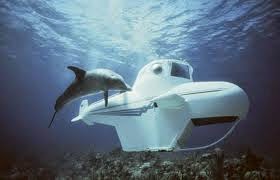
According to the National Oceanic and Atmospheric Administration (NOAA), the ocean covers 71 percent of the Earth's surface and contains 97 percent of the planet's water, yet more than 95 percent of the underwater world remains unexplored. Just think of what there is to discover and how exciting it will be. One of every six jobs in the United States is marine-related, so it is definitely an area to think about for a future career.

Providing an avenue for bright kids to study the ocean may ignite their interest in exploration. Who knows where it might eventually lead?

The excellent websites listed below contain not only written information, but lesson plans, images, video, audio, and other resources.
  • Ocean Portal is sponsored by The Smithsonian National Museum of Natural History. Some of the areas covered on this website include the latest news on ocean-related topics; numerous stories, resources, and lesson plans related to ocean life and ecosystems; and information about the latest research.
  • National Geographic has an extensive section on the ocean. There are special sections for both kids and for educators.
  • NOAA has ocean material for teachers and kids of all ages.
  • NASA Oceanography has information and activities for students from kindergarten through graduate school, plus teacher materials.
  • Once your student’s interest in the study of the ocean has been invigorated, you may want to consider giving him a hands-on experience through a study program. To explore the possibilities, go to Cogito’s Summer Programs and choose the subject “Marine.” You will be amazed at the opportunities that are available, including camps and living and working on research vessels.